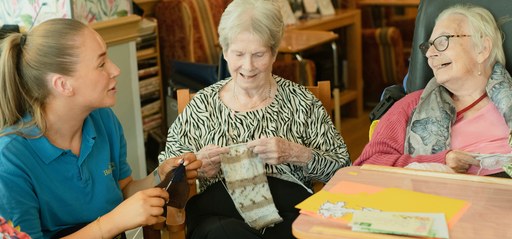
Short answer: Senior care services are the support and care available to older people to help them stay safe, well and independent. They range from a few hours of company or help with shopping, through home care visits and live-in care, to day centres, respite and care homes. The right mix depends on the person’s health, home and wishes, and it often changes over time.
When a parent, partner or friend starts to need more help, the choices can feel confusing. Terms such as home care, domiciliary care, live-in care and supported living are used in different ways. This guide sets out the main types of senior care services in the UK in plain English, shows what each one does, explains how to pay for them and gives steps for choosing and reviewing care. You can use it as a map before you speak to your council or a provider.

What are the main types of senior care services?
| Service | What it offers | Typical fit |
|---|---|---|
| Personal care | Help with washing, dressing, toileting and eating | People who need hands-on daily help |
| Companionship | Company, outings, meals and light household help | People who are lonely or mostly independent |
| Home care visits | Regular visits for personal care, meals and medicines | People who can manage between visits |
| Live-in care | A carer living in the home, day and night | People needing near-constant support |
| Complex care | Clinical support for higher health needs | People with conditions needing trained staff |
| Respite care | Short-term care so family carers can rest | Families who need a break or urgent cover |
| Care homes | Accommodation and 24-hour care in a shared setting | People who cannot stay safely at home |
| End of life care | Comfort and support in the final stage of life | People with a life-limiting illness |
What do senior care services at home include?
Care at home can be built around the person’s routine. It may include help getting up and dressed, breakfast and medicines, a visit to the shops, a walk, lunch, light housework, a rest, and help with an evening meal and bedtime. Some people need only a short daily visit. Others need several visits a day, or a carer who lives in. Our guide to the services home care covers explains this in more detail.
What support is there for specific needs?
- After hospital: Short-term support and reablement. See home care after hospital discharge.
- Health conditions: Complex care for conditions such as Parkinson’s disease or stroke.
- Disability: Support for adults with a physical or learning disability.
- Mobility and safety: Equipment, adaptations and falls prevention.
How do you choose the right senior care service?
- Start with the person. Ask what they want, what is hard and what they want to keep doing.
- List needs across the day and night, including meals, medicines, mobility, memory and company.
- Ask the council for a free care needs assessment.
- Compare options, from short visits to live-in care. Our guide to the types of care in the UK helps.
- Check any provider’s rating on the CQC website.
- Agree a written care plan, a trial period and a review date.
If you are arranging care for a parent, our step-by-step guide on how to arrange care for an elderly parent may help.
How are senior care services paid for?
- Council funding: After a care needs assessment and financial assessment, the council may pay all or part.
- NHS Continuing Healthcare: The NHS pays if the main need is health-related.
- Direct payments: The council pays you to arrange your own care.
- Benefits: Attendance Allowance may help towards costs, whatever your savings.
- Private payment: You or your family pay directly.
Our guide to care packages explains how these routes fit together.
How do you know when care needs have changed?
Look for changes such as falls, missed meals or medicines, weight loss, confusion, a messy home, low mood or a worn-out family carer. If you notice these, ask for a review. Care should change as needs change, whether that means adding visits, introducing night support or moving to live-in care.
Frequently asked questions about senior care services
What are senior care services?
They are the services that support older people with daily life, health and wellbeing, from companionship and home care to live-in care, respite and care homes.
How do I get senior care services?
Ask your council for a care needs assessment, or contact a regulated provider directly if you want to arrange care privately.
Are senior care services free?
The assessment is free. Services may be free, partly funded or self-funded, depending on needs and savings.
What is the difference between home care and live-in care?
Home care means carers visit at set times. Live-in care means a carer lives in the home and is available day and night.
How do I check a provider is safe?
Confirm they are registered with the CQC, read their latest report and ask for references.
Talk to our team
Not sure where to start? Book a free, no-obligation care assessment with Chinite Home Care on 01376 433 917 or through our contact page. We are CQC-registered and support families across London, Essex and Darlington.
You may like
Sources and further reading
- NHS: Getting a care needs assessment
- NHS: NHS continuing healthcare
- GOV.UK: Attendance Allowance eligibility
- CQC: Choosing social care