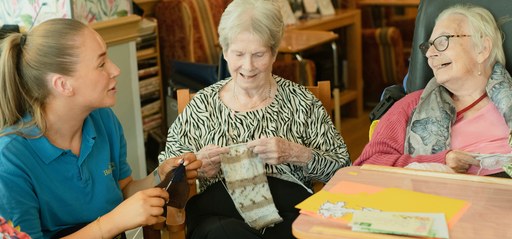
Short answer: A personal care assistant helps a person with daily tasks they can no longer manage alone, such as washing, dressing, using the toilet, eating and moving around. They may also help with medicines, meals and getting out. They work in a person’s home or in a care setting, and can be hired through an agency or directly.
The role goes by several names, including personal assistant, care assistant, support worker and care worker, so it is easy to be unsure what you are asking for. This guide explains what a personal care assistant does, how the role compares with other care roles, whether to use an agency or hire directly, what training and checks to expect, and how to find the right person. It is written for people arranging care for themselves or a relative.
What are a personal care assistant’s duties?
- Helping with washing, bathing and dressing
- Toilet and continence care
- Oral care, hair care and skin care
- Help with eating and drinking
- Moving and transfers, using safe handling techniques and equipment
- Medicine reminders or support, as set in the care plan
- Company, reassurance and emotional support
- Light household tasks that support the person’s daily life
Our home care service covers these tasks as part of personal care, and carers are matched to each person’s needs and routines.
Personal care assistant or care worker?
The job titles overlap. In practice, “personal care assistant” (or “personal assistant”) is often used for one-to-one help at home, especially when a person employs someone directly. “Care worker” or “care assistant” is more common for staff working for an agency or care home. Both do similar tasks, and both can work towards the Care Certificate.
What is the difference between personal care and nursing care?
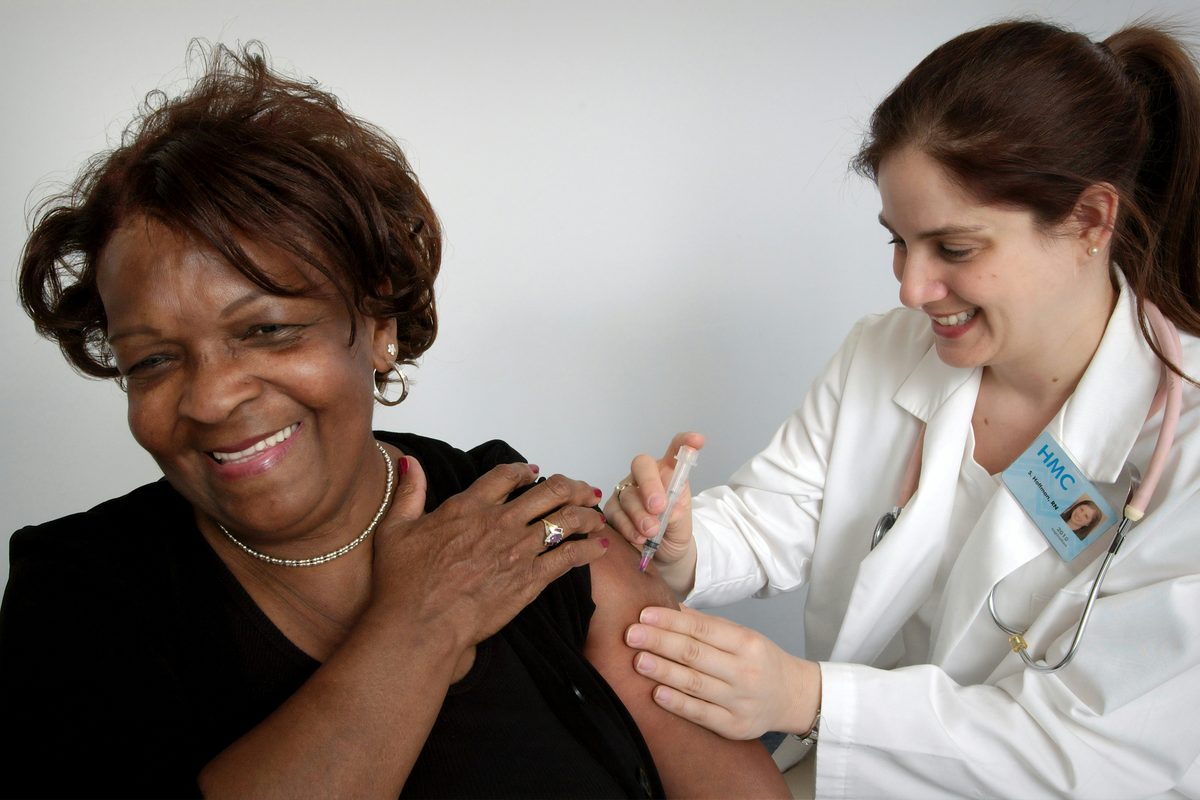
Personal care is help with daily tasks. Nursing care is clinical and needs a registered nurse, such as wound care or injections. A personal care assistant can only carry out clinical tasks if a nurse has trained them and the task is in the care plan.
Agency or direct hire?
| Factor | Through an agency | Hire directly |
|---|---|---|
| Recruitment and checks | Agency handles DBS and references | You do it |
| Training | Agency provides it | You arrange it |
| Cover for illness or holiday | Agency finds cover | Your responsibility |
| Regulation | CQC-registered | Not regulated, you become an employer |
If you receive a direct payment from the council, you can choose either route. When you employ someone yourself, you take on employer duties, including contracts, payroll, tax, pension and insurance. Many people find an agency simpler, particularly when they need reliable cover.
What training and checks should they have?
- An enhanced DBS check
- Care Certificate or equivalent training
- Moving and handling, medicines and safeguarding training
- Infection control and first aid awareness
- Extra training for conditions such as dementia, Parkinson’s disease or learning disabilities
- References from previous employers
What makes a good personal care assistant?
Skills matter, but so does fit. Look for someone who is patient, respectful and reliable, who listens, and who treats the person with dignity. Ask how they would handle an anxious morning, a refusal of help or an emergency. A regular carer, rather than a different person each visit, helps trust build.
How do you find the right one?
- Write down the tasks and times you need, including nights and weekends.
- Get a care needs assessment if you want council help.
- Check any provider at cqc.org.uk.
- Meet the carer before the first visit if possible.
- Agree a written care plan and a trial period.
- Review after a few weeks and adjust.
How is a personal care assistant paid for?
Ask for a written quote that lists every charge.
Frequently asked questions about personal care assistants
What is the difference between personal care and nursing care?
Personal care is help with daily tasks. Nursing care is clinical and needs a registered nurse.
Do personal care assistants need a qualification?
No set qualification is required, but good employers provide the Care Certificate and ongoing training.
How is a personal care assistant paid for?
It varies by hours and location. Ask for a written quote and check what is included.
Can a personal care assistant give medicines?
Yes, if trained and if medicines support is in the care plan.
Can I get council funding for a personal assistant?
If you qualify after a care needs assessment, you can take a direct payment and use it to employ a personal assistant or buy agency care.
Talk to our team
Call 01376 433 917 or use our contact page for a free, no-obligation care assessment. We are CQC-registered and support families across London, Essex and Darlington.
You may like
Sources and further reading
- CQC: Choosing social care
- NHS: Getting a care needs assessment
- NHS: Personal budgets and direct payments